
What does Penrith protect?
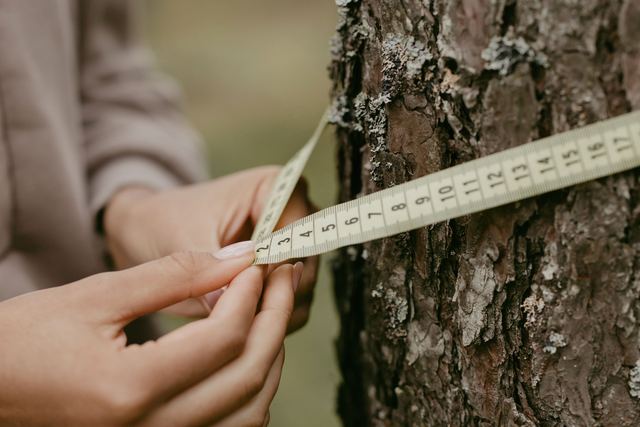
Part C2 of the Penrith Development Control Plan 2014 covers any tree, native or introduced, that's 3.5 metres or taller or has a trunk diameter over 100mm at 1400mm above ground level. Council says it's illegal to ringbark, cut down, top, lop, remove, injure or wilfully destroy one without its permission.
The DCP also protects native vegetation communities anywhere in the city, native trees on E2 Environmental Conservation land, heritage items and heritage conservation areas, and trees on a significant tree or vegetation register. It works alongside the NSW Biodiversity and Conservation SEPP 2021, which our NSW permit page explains.
Penrith has critically endangered native woodland. Council's 2018 fact sheet names Cumberland Plain Woodland, Shale Sandstone Transition Forest and Agnes Bank Woodland in the area. On a block with remnant native bush, talk to council before any clearing.
Permit, development application or the state panel?
Most private tree work goes through a vegetation permit, assessed on its merits. Trees removed for a development are assessed in the development application, and council generally won't issue a vegetation permit for complying development.
Bigger native clearing goes to the state's Native Vegetation Panel instead: on a lot under 1 ha, that's clearing of 0.25 ha or more, plus any clearing on land on the Biodiversity Values Map.
What to send with a Penrith application
- A sketch or site plan showing the trees
- Photos of the trees and any damage you're worried about
- An arborist report, if the question is the tree's health or condition
- A plumber's report, if roots are blocking or damaging pipes
- A builder's or engineer's report, if roots are causing structural damage
- The owner's written consent, if you aren't the owner
Council points out that a visual inspection can miss damage underground, which is why those reports carry weight. Leaf drop or debris on its own isn't generally a reason council accepts for removal.
How to apply in Penrith
Confirm the approval type
Make sure the job isn't part of a development application or a Native Vegetation Panel matter. The Tree Management Officer can help.
Gather the evidence
Work through the list above. Complete information lets council assess the application properly.
Lodge it
Apply through council's eProperty online portal, or hand in the Tree Pruning or Removal Application Form at the Customer Service Centre.
Dead or dangerous trees, and what imminent means
Penrith's DCP lists a dead tree that isn't habitat, and a tree that's an imminent risk to life or property, among its exemptions. It defines imminent as 'likely to happen at any moment', which is a much higher bar than a tree that might fail one day.
Before relying on either, the DCP says to get a report from a suitably qualified arborist or other evidence, have the owner's consent, and be ready to show council the criteria were met. If a tree is failing right now, keep clear and call 000 if anyone is in danger.
What are the penalties?
Council says maximum penalties for unauthorised clearing can be over $1 million, and legal action can be taken under the Environmental Planning and Assessment Act 1979.

Penrith City Council tree removal permits: what to do next
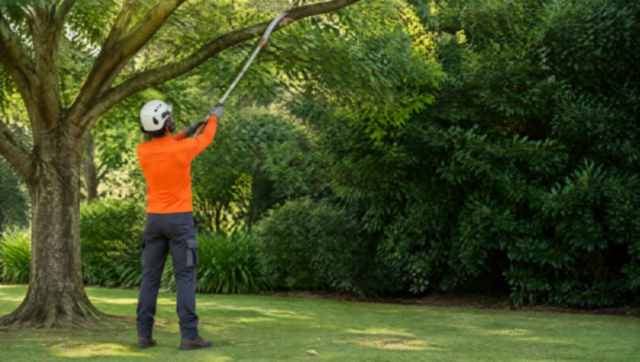
We'd ring the Tree Management Officer first with the trunk measurement and a few photos, because Penrith's rules have a lot of detail and the officer can point you to the right path. If roots are the problem, we'd get the plumber's or engineer's report before applying, since council can't see under the ground. For the work itself, council recommends an arborist with AQF Level 3 or above who prunes to AS 4373-2007.
Want an arborist to look at it?
Tell us the job and your postcode, and a local arborist calls you to talk it through.