
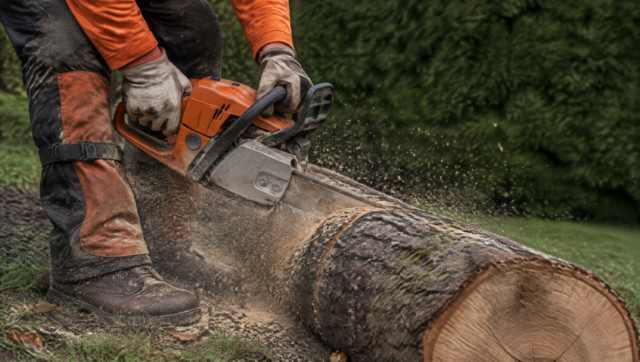
Who protects trees in WA?
Two layers. At state level, it's an offence to clear native vegetation without a clearing permit or an exemption. Permits come from the Department of Water and Environmental Regulation, or the Department of Mines, Petroleum and Exploration. We couldn't confirm whether one native tree on a suburban block needs a state permit, so don't assume either way.
Then local government. The City of Belmont says removing or damaging a private tree in WA may require development approval, and Legal Aid WA says some councils have tree preservation orders that can ban pruning or removing a tree without a permit.
What do council tree policies look like?
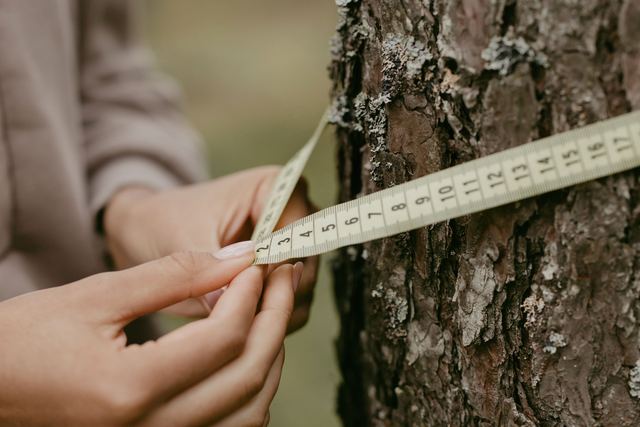
Three recent examples come from Perth councils. The City of South Perth's Local Planning Policy 3.2 covers 'regulated trees' on private land: 8 metres or taller, an average canopy of at least 6 metres, or a trunk circumference of at least 1.5 metres measured 1.4 metres above the ground. It generally aligns with the WA Local Government Association's model tree retention policy.
The City of Belmont's policy took effect on 6 August 2026, with exemptions for small trees and development approval for larger, mature ones. And in June 2026 the Town of Bassendean said the State Administrative Tribunal had upheld its refusal to let an owner remove a regulated tree on private property.
Those are three councils' rules, not a statewide standard. Yours may work differently, which is why the council is the first call.
How do I check before a tree comes out?
Ask the council
Ask whether a tree retention policy, a tree preservation order or a heritage listing covers the tree, and whether removal counts as development needing approval.
Check the state rules if it's native
The WA Government's guide to the exemptions and regulations for clearing native vegetation is the place to start, or ask the Department of Water and Environmental Regulation.
Read this season's firebreak notice
If your shire issues one, its terms can change what clearing is required, and whether a state clearing permit is needed.
Keep the answer
An email from the council is worth more than a phone call you can't prove later.
Firebreak notices and bushfire clearing
Under section 33 of the Bush Fires Act 1954, local governments can require owners or occupiers to install firebreaks and reduce bushfire hazards by notice. The notice can come to you in writing, or be published for everyone in the Government Gazette and a local newspaper. Each shire sets its own firebreak dimensions and dates, so the rules differ from one to the next.
A notice can require things like an asset protection zone around buildings or pruning lower tree branches. It still applies if the property has an approved Bushfire Management Plan, and if you don't comply, the council can fine you, or send officers to do the work and recover the cost. The terms of a notice can exempt a landowner from a clearing permit under the Environmental Protection Act 1986, but that's the state permit only, so check the council's own tree rules too. Our bushfire clearing guide goes further.
Can I cut my neighbour's branches in WA?
Legal Aid WA says that unless a tree preservation order applies, you can cut overhanging branches back to your boundary, and dig up and cut roots back to the boundary line, avoiding unnecessary harm to the tree. You don't have to tell your neighbour first, though it suggests you do. You can't cut anything on their side, poison the tree or its roots, or go onto their property without agreement.
Once a neighbour knows, or should know, that their tree is causing a problem, Legal Aid WA says they have a responsibility to fix it. That can mean paying for pruning back to the boundary or for repairs. Its suggested order is to talk, then write with photos and quotes, then try mediation through Citizens Advice Bureau WA, which charges for its service. More in our neighbours' trees guide.
Trees and power lines in WA
Stay at least 8 metres from a damaged powerline, Western Power says, and always assume a fallen line is live. If a life is at risk, call 000 first. Then report it to Western Power (Perth and the south west, from Kalbarri to Kalgoorlie and Albany) or Horizon Power (regional and remote WA). Don't take on tree work near lines yourself: WA's guidelines treat the area above any line, and within 3.0 metres of lines up to 33,000 volts, as a danger zone, and a flashover can happen without anyone touching a line.
Who keeps trees off the lines?
Western Power says homeowners and occupiers keep trees on their property clear of powerlines all year round. On the street verge, planted trees are the council's (or Main Roads WA's) job and naturally occurring ones are the network operator's. In urban areas, the guidelines say to keep vegetation at least two metres to the side of and below distribution lines. Private poles and lines on your land are yours to maintain, and for trained tree contractors near them, the WA Government points owners to the Tree Guild of WA.
Storms and cyclones in WA
Call 000 for fire or a life-threatening emergency. Call the SES when a storm has badly damaged your home and you can't make it safe yourself; DFES says non-urgent storm requests go to your insurer. Cyclone season in the North West runs from November to April, and the coast between Broome and Exmouth is the most cyclone-prone region in Australia. DFES suggests removing overhanging branches before storms; check first whether the tree is protected. Alerts are on Emergency WA.

Tree removal permits and rules in Western Australia: what to do next
We'd ask the council first whether a tree retention policy or preservation order covers the tree, since councils such as South Perth and Belmont brought in new tree policies in 2025 and 2026. If the tree is native, we'd read the state clearing guide too. And in a shire that issues firebreak notices, we'd check this season's notice before booking anyone.
Want an arborist to look at it?
Tell us the job and your postcode, and a local arborist calls you to talk it through.