
What counts as declared vegetation in Newcastle?
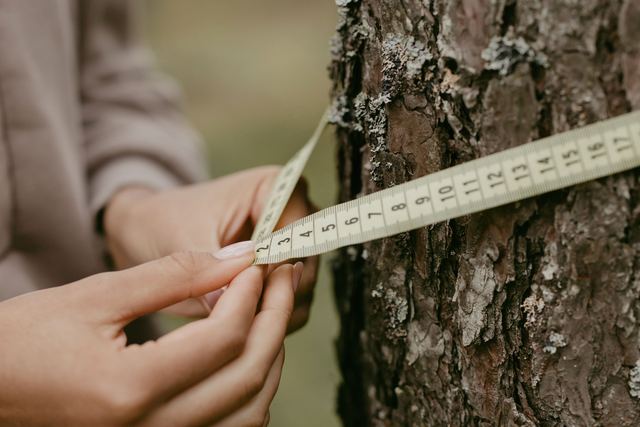
The test is in Section C3 of the Newcastle Development Control Plan 2023, which works alongside the NSW SEPP (Biodiversity and Conservation) 2021. It declares any tree 3 m or taller, any single-trunk tree 15 cm or more in diameter at 1.4 m above ground, and a multi-trunk tree where one trunk reaches 10 cm at that height.
It also declares shrubs 3 m or taller, native vegetation that is or shelters a threatened species, trees a past approval said must stay, and anything on land the council manages. Street trees and road reserves are council's alone to prune or clear.
Clearing means more than felling. The DCP uses the SEPP meaning: cutting down, uprooting, poisoning, ringbarking, burning, or lopping or removing a substantial part of the tree.
What the DCP lists outside a permit, in council's words
- A tree posing an immediate risk after a severe storm or wind event, with the Report Storm Damage Tree Removal form lodged within 5 days
- A dead or storm-damaged tree that isn't a habitat tree (one with hollows), a heritage item, in a visible heritage conservation area, or an Aboriginal object or place
- A tree within 3 m of a pool, a house or a building over 20 m², measured from the trunk to the footings or the pool coping, away from heritage and Aboriginal sites
- Species on Table C3.01, which includes camphor laurel and Chinese tallow unless they're taller than 10 m or over 30 cm at 1.4 m
- Clearing under the NSW 10/50 rules, which follows Rural Fire Service requirements instead
- Pruning that stops short of a substantial part of the tree, done to AS 4373 by someone trained to AQF Level 3 or above
Every item needs the landowner's consent and has its own exceptions. The DCP's idea of dead is strict: no leaves, and a visibly dried-out trunk, root plate and canopy. We list these so you know what to ask council about, not to say your tree fits one.
How a Newcastle permit application comes together
Get a consulting arborist's report
The DCP asks for a report by a consulting arborist (AQF5) for any declared tree proposed for removal. It must show the tree meets at least one tree assessment test in the Newcastle Urban Forest Technical Manual. Our page on arborist reports covers what one includes.
Add heritage paperwork if it applies
A Heritage Minor Works or Maintenance Notification form is needed for a heritage item, an Aboriginal site, or a heritage conservation area where the tree is visible from the street.
Check whether ecology is triggered
An ecological assessment is asked for when more than five trees go, over 200 m² of native vegetation is cleared, habitat trees are removed, or the site adjoins mapped bushland or C1 land. The triggers are lower within 10 m of a mapped waterway.
Lodge the form
Attach everything to council's permit application form. On waterfront land, within 40 m of a river, lake or estuary, a separate controlled activity approval under the Water Management Act 2000 may also apply.
Plan the compensatory planting
Approved removals come with replacement trees under the technical manual, chosen to add canopy at maturity and placed with services and pipes in mind.

City of Newcastle tree removal permits: what to do next
In Newcastle we'd assume any real tree in the yard is declared, because the bar is 3 m. Get the consulting arborist's report before lodging, since approval turns on the tree assessment tests, and a good report tells you early if your reason won't meet them. If a storm has left a tree split and unsafe, keep clear, photograph it, and ring council about the storm damage form and its 5 day deadline.
Want an arborist to look at it?
Tell us the job and your postcode, and a local arborist calls you to talk it through.