
Which trees does Ku-ring-gai protect?
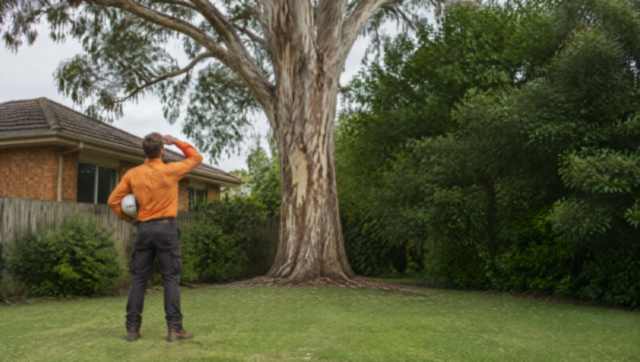
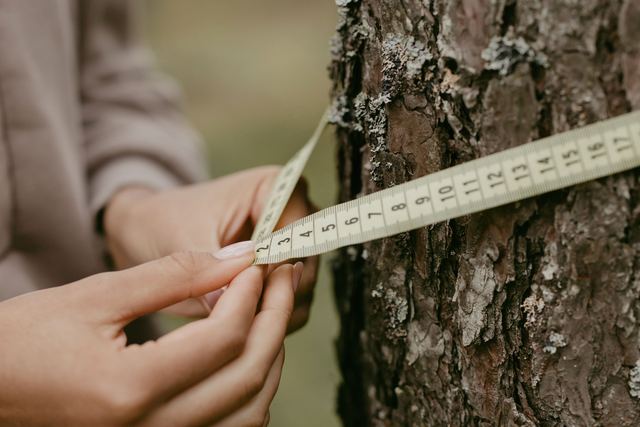
Part 13 of the Ku-ring-gai Development Control Plan, made under Chapter 2 of the NSW Biodiversity and Conservation SEPP 2021, protects any woody perennial plant, native or exotic, that's 5 metres or taller or has a trunk diameter of 150mm or more at ground level. The NSW permit page covers the state side.
The DCP's idea of harm is wide. Removing, pruning, lopping, poisoning and ringbarking all count, and so do compacting or changing soil levels in the root zone and cutting roots 50mm or more across. New paths, trenches and stockpiled materials near a tree can all be a problem.
Some places get no exemptions at all: trees in mapped threatened ecological communities, including Blue Gum High Forest, Sydney Turpentine Ironbark Forest and Duffy's Forest, native vegetation on the state's Biodiversity Values Map, and heritage items and heritage conservation areas. On heritage land, tree work needs development consent under clause 5.10 of the local environmental plan, unless council gives written consent for minor maintenance.
Can I remove a dead tree?
Not straight away, and this is where Ku-ring-gai catches people out. No work can start on a dead tree until council confirms in writing that it's dead and not needed as habitat for native animals. Email council photos and the property address, then wait for the reply.
A tree that looks unsafe is handled the same way. The DCP says council has to be satisfied a structurally unsound tree poses an imminent risk to life or property before it's removed, and for significant trees it may want an arborist's report and testing. If a tree is splitting or leaning further right now, keep everyone away and call 000 if anyone is in danger.
The four documents council asks for
- Your reasons for the pruning or removal
- A property site map showing each tree
- Photos of each tree
- The owner's consent form
- All four saved together as one PDF under 4 MB
Lodging a Ku-ring-gai tree application
Read the manual
Council's Tree Application Information and Instruction Manual explains what each of the four documents needs.
Decide on a report
An arborist report isn't required. If you include one, it must follow council's Guidelines for Preparation of Arborist Reports, or it won't be considered.
Lodge online
Applications go through council's online tree application portal. Fees are payable once the application is accepted and aren't refunded if permission is refused.
Allow time
Council says about 6-8 weeks from its written acknowledgement. A permit is valid for 12 months from the date it's issued.
When a tree application isn't the right route
Tree work tied to a development application, complying development or driveway construction doesn't go through a tree application. It's dealt with in that approval, so raise the trees with your planner or certifier early.
What happens after illegal tree work?
Council says it's illegal to work on trees without its approval, and unauthorised removals are investigated and prosecuted in court where there's enough evidence. Reports go to council, through a service that runs 24 hours, 7 days.
In a case reported on 16 June 2026, a Killara owner was fined $10,000 plus $4,800 costs in Hornsby Local Court for removing a 24 metre Norfolk Island pine without consent. Council's page also notes a NSW civil penalty Bill introduced on 21 October 2026, still not finalised when we checked.

Ku-ring-gai Council tree removal permits: what to do next
If the tree is dead, we'd email council the photos today and not book anyone until the written answer arrives. For a living tree, we'd put the effort into sharp photos and a plain, honest reason, because those are mandatory and the arborist report isn't. Save the report for cases about risk or damage, and make sure it follows council's guidelines.
Want an arborist to look at it?
Tell us the job and your postcode, and a local arborist calls you to talk it through.