
What happened to SLO9?
For eight years, Schedule 9 to the Significant Landscape Overlay (SLO9) put a tree control over all residential land in Whitehorse. It started as an interim measure in February 2018 and was extended nine times.
Since 16 June 2026 it no longer applies. The council says the state planning department took the view that a municipal-wide local control had been overtaken by the state standard provision.
So if a quote, a real estate pack or an old council letter mentions SLO9, it's out of date. That doesn't mean your tree is cleared to go. The council's own line is that all residential areas still have some level of tree protection.
What protects trees in Whitehorse now?
| What it covers | Permit for | |
|---|---|---|
| Clause 52.37 canopy trees | Trees over 5 metres tall with an average canopy at least 4 metres across, within 6m of the front or 4.5m of the rear boundary | Removing, lopping or destroying the tree |
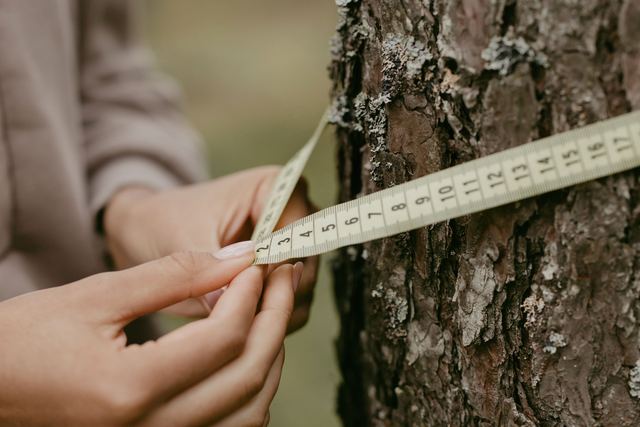
| SLO1 to SLO8 | Trees with a single trunk 50 centimetres or more around, measured 1 metre above ground | Removing, destroying or lopping, and works within four metres |
| VPO Schedules 1, 3 and 5 | Specific trees named in the council's statements of tree significance | Removing, destroying or lopping a listed tree |
| Heritage Overlay | Buildings, outbuildings and trees on listed properties | Depends on the property |
| Clause 52.17 | Native vegetation on properties over 0.4 hectares | Removing, destroying or lopping |
Dead, dying and dangerous trees
Whitehorse has its own definitions, and they're stricter than most people expect. A dying tree is in an advanced state of decline that reasonable management can't fix, with a useful life expectancy of less than 3 years. A dangerous tree is an imminent danger that arboricultural management can't make safe.
A tree that looks sick or drops the odd branch may not meet either test. To get permission under these provisions, the council says to contact its Planning and Building Department. If you're unsure, our guide to whether a tree is dead or dying covers the signs an arborist looks for.
Before you call the council
- Your property's overlays: an SLO, a VPO, a heritage listing or none.
- Distances from the tree to the front and rear boundaries.
- A rough height and canopy width, and the trunk circumference 1 metre up.
- Photos of the tree and any damage or decline.
- An arborist's view if the reason is health or safety.
How to get a Whitehorse answer, then a permit
Ask first
The council encourages residents to call its Planning Department before removing trees or starting building work.
Get it in writing if it matters
Written confirmation of whether a permit is needed comes through a paid Planning Information Request.
Choose the application
One tree, with no VicSmart tree permit approved in the last 12 months, can go through VicSmart. Anything else is a regular planning permit.
Follow the matching checklist
There are separate council checklists for VicSmart tree removal, tree removal in an SLO and tree removal in a VPO. For reports, the council points to the arborist report guideline for an Arboricultural Impact Assessment.
Plan a replacement
The council says replacement trees are often required when a removal permit is approved. Its Trees for Whitehorse Gardens by Height guide helps you pick one that fits.

City of Whitehorse tree removal permits: what to do next
If you were told before June 2026 that SLO9 covered your tree, ask again, because the answer may have changed in either direction. We'd ring the Planning Department with the measurements in hand, and if the job depends on the answer, pay for the written Planning Information Request before anyone books a removal.
Want an arborist to look at it?
Tell us the job and your postcode, and a local arborist calls you to talk it through.