
Why the Maroondah SLO test catches so many trees
Maroondah's own summary is blunt: its planning controls generally require a planning permit before vegetation comes out on private property, and that includes trees, native shrubs and ground cover.
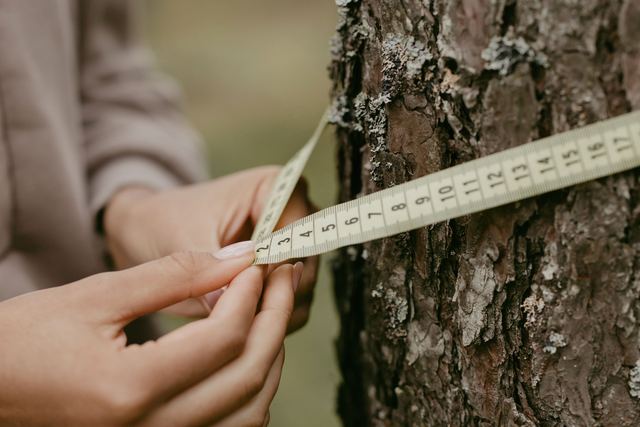
In Significant Landscape Overlay areas (Schedules 1 to 4), the trigger is a single trunk circumference of more than 0.5m at 1 metre above ground, or a height of more than 5m. Either one is enough. A tall, skinny tree that would slip under a girth test elsewhere can still need a permit here.
Each schedule lists some species the council doesn't protect, and the SLO1 and SLO2 lists differ from those for SLO3 and SLO4. Check which schedule covers your street before assuming a species is on one.
Native plants in VPO areas
Where a Vegetation Protection Overlay applies, a permit is needed to remove, destroy or lop any native vegetation. That includes dead or fallen trees, shrubs and ground flora that give, or could give, native animals a place to nest or shelter. The permit form asks you to give the area in m2 you want cleared.
Other Maroondah controls
Clause 52.37 applies across the whole municipality: canopy trees within 6 meters of the front boundary or 4.5 m of the rear, and canopy trees on vacant lots. Clause 52.17 protects native vegetation on properties greater than 4000m2 (1 acre). Trees can also be covered by the Heritage Overlay or the Neighbourhood Character Overlay.
If your site was developed as a dual occupancy or units, its trees are protected by the approved plans, landscape plan included. You'll need to amend the plan or get the council's written consent.
Why the listed exemptions are narrower than they sound
- The council lists a tree trunk within 3m of an existing dwelling, but outbuildings don't count, and it doesn't apply on multi-unit or dual occupancy sites.
- Dead, dying or dangerous trees need a written declaration from a suitably qualified person. The council expects a Certificate 5 in Arboriculture or a Diploma or Degree in Horticulture.
- The emergency provision only covers the part of a tree presenting an immediate risk of injury or damage, not the whole tree.
- Check every control on your land: an exemption listed under the SLO says nothing about a VPO, Clause 52.37 or a landscape plan.
What the 2026-2027 Maroondah form asks for
- A full copy of title from the last 3 months (mandatory).
- A site plan, aerial photo or old plans with each tree marked (mandatory).
- Your reasons for removal (mandatory).
- A replanting plan and photos (recommended).
- Access details for the council's Environmental Planners, including locked gates, pets and tenants.
Applying in Maroondah
Check your overlays
Find out which SLO schedule, VPO or other control applies, or ask Statutory Planning.
Combine it with any development
If you're planning two or more dwellings, the council recommends lodging the tree removal together with the development application, so replacement and canopy tree needs under Clause 55 are looked at once.
Lodge and allow an inspection
Apply online or on the form. Council's Environmental Planners will visit to assess the trees.
Plan the replanting
One or more replacement trees is a common permit condition.
What if a tree goes without approval?
The council says removing a tree that doesn't meet an exemption may lead to enforcement action. Damage below ground counts too: severing structural roots during excavation may be an enforceable matter, which is worth telling anyone digging near a big tree.

The step we wouldn't skip
If you think a Maroondah tree is dead or dangerous, we'd get the written declaration from a qualified arborist before anyone touches it, and keep a copy with the council's correspondence. Without that paper, the council has no reason to treat it as anything but a protected tree.
Want an arborist to look at it?
Tell us the job and your postcode, and a local arborist calls you to talk it through.